

Get quote
Get Free Consultation!
We are ready to answer right now! free consultation.
Email:ruihengyu00@gmail.com
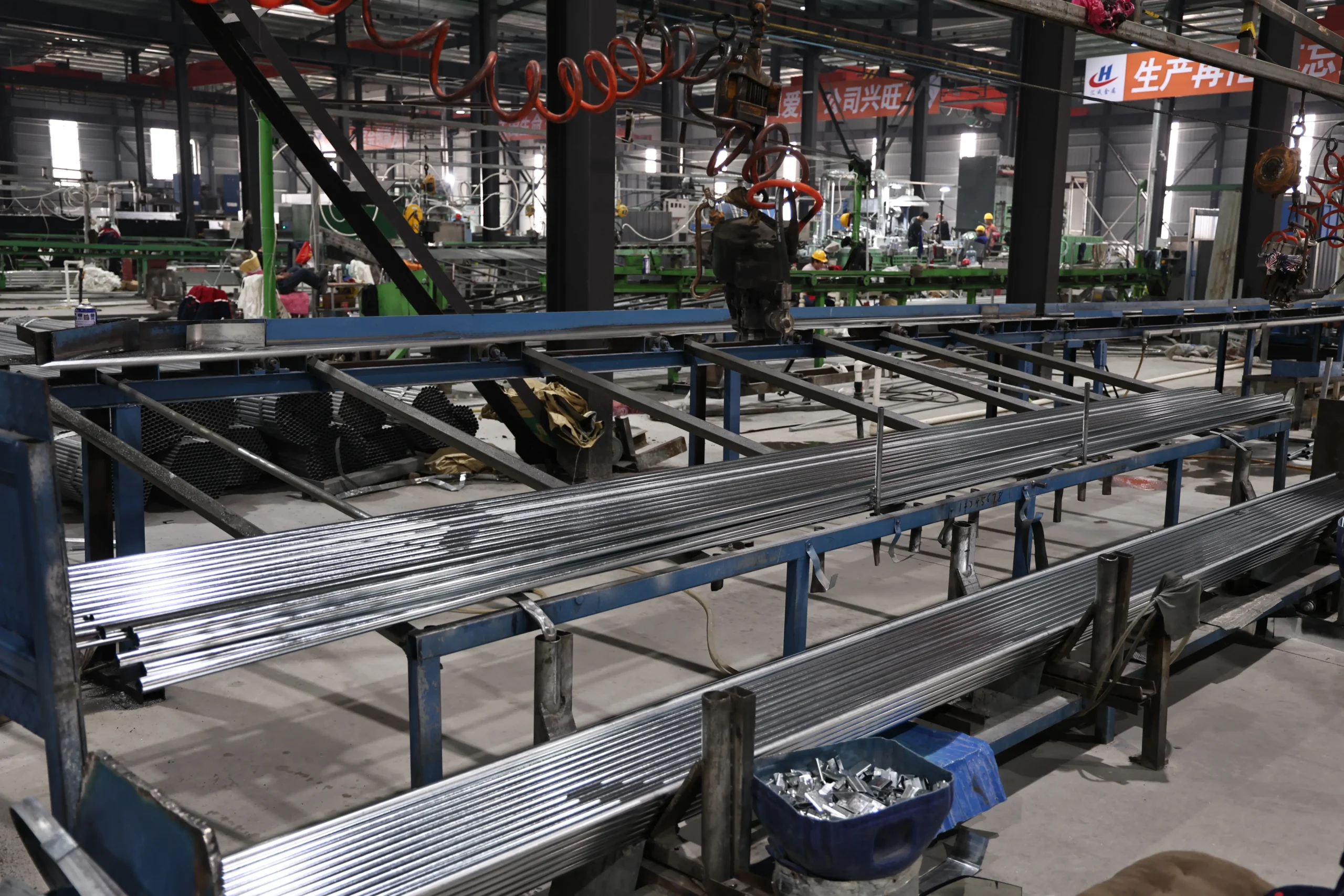
A practical discussion around Custom Galvanized Steel Pipe should stay close to the order sheet and the receiving yard. Industrial buyers are usually comparing real issues such as section size, wall thickness or coil thickness, coating consistency, bundle or coil packing, and whether the supplier can support repeat delivery without changing the confirmed specification.
On this site, the available product line is not generic steel trading copy. It is built around galvanized steel pipe, galvanized steel coil and custom processing support. The published product pages already show round, square, rectangular and oval pipe options, cold rolled galvanized coil supply, custom size processing, packing control and factory-based coordination for overseas orders.
That matters because buyers working in drawing-based production, cut-to-length supply, OEM packaging, project-specific processing need usable supply rather than broad catalog language. A stable order usually starts with clear dimension control and then moves through packing, labeling, loading and delivery planning. The checks below are based on those practical buying steps, with emphasis on drawing match, tolerance target, processing flow, packing label.
Custom galvanized orders start well only when the supplier sees more than a broad item name. Drawing references, target tolerances, cut lengths, shape requirements and bundle logic should be discussed before the lot is allocated. The customization page on this site points to size processing, pipe forming, length and shape control, OEM support and application-based supply, which are exactly the operational points a buyer needs to review early.
Buyers also benefit when the supplier can explain what is standard stock, what needs production time, and what part of the order should be treated as a custom item. That separation keeps the quotation realistic and avoids the common problem where the headline price looks fine but the shipment plan does not actually match the buyer’s required sequence or receiving conditions.
| Item | What to confirm | Why it matters |
|---|---|---|
| Drawing file | Send section size, length, tolerance and application note together. | Production moves faster when the supplier sees the full requirement at the start. |
| Processing route | Confirm cutting, forming, slitting or bundled delivery order. | It keeps the shipment aligned with the buyer’s use sequence. |
| Marking | Define bundle labels, item codes and loading references. | It simplifies receiving and internal distribution. |
| Packing | Choose protection based on route, storage time and unloading method. | Custom goods need clearer packing discipline than stock orders. |
Custom orders need a written bridge between the drawing and the finished shipment. That includes the section size, the processing route, any cut-to-length target, allowable tolerance and the packing mark that lets the receiving team identify each line quickly. Without that bridge, a custom order can be technically close but operationally hard to use.
Export packing becomes even more important for custom goods because the receiving team cannot simply replace one item from local stock. Bundles, labels, separators and item marks need to match the order breakdown. When the site mentions export-ready customization and factory direct processing, that is a signal to ask about packaging logic, not only about production capacity.
Repeat supply depends on whether the supplier can treat the order as a stable program instead of a one-off lot. Buyers often need stock confirmation for frequent sizes, honest lead times for non-stock items, and consistent communication when production slots are reserved. That is why procurement teams usually compare specification clarity, packing control and supply rhythm together instead of viewing them as separate decisions.
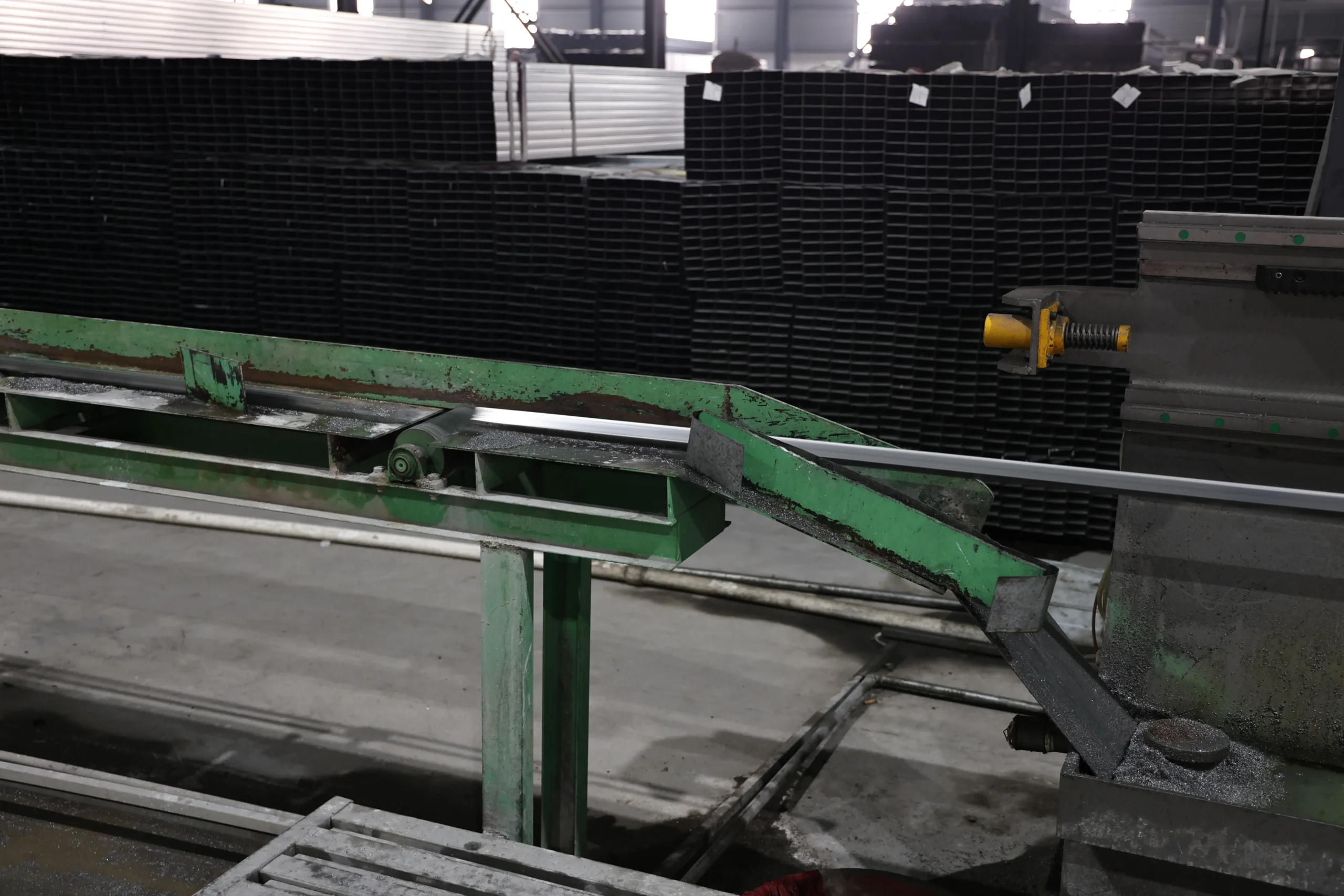
A reliable purchase decision usually compares three layers at the same time. The first layer is specification fit: size, coating, surface and processing route. The second is delivery usability: bundle logic, coil protection, labels and whether the goods will be easy to receive and store. The third is supply behavior: what can move from stock, what requires production time, and how clearly the supplier communicates around that schedule.
For custom work, the supplier should be able to translate the order into a clear production route. If that route is vague, the buyer is effectively carrying hidden risk even when the unit price looks acceptable.
What information should a buyer send first?
The most useful starting point is the product type, size range, thickness or wall thickness, quantity, destination and any packing preference. That allows the supplier to judge whether the order should move from stock, from a production slot or from a custom processing route.
Can the order be adjusted for project or fabrication needs?
Yes. The site already presents custom processing support for galvanized steel pipe and galvanized steel coil, including dimension matching, cutting, bundling and production coordination. The key is to confirm the drawing or specification sheet before the lot is packed.
Why is packing part of the buying decision for custom galvanized steel pipe and coil?
Industrial buyers often focus on dimensions first, but packing affects unloading, storage, receiving checks and export risk. A usable order is one that arrives in the right shape, with clear marks and protection that matches the route and handling conditions.

We will answer any questions you may have about our online sales.
We are ready to answer right now! for a free consultation.
Email:Trista55555@outlook.com
I consent to the processing of personal data and agree with the user agreement and privacy policy
