

Get quote
Get Free Consultation!
We are ready to answer right now! free consultation.
Email:ruihengyu00@gmail.com
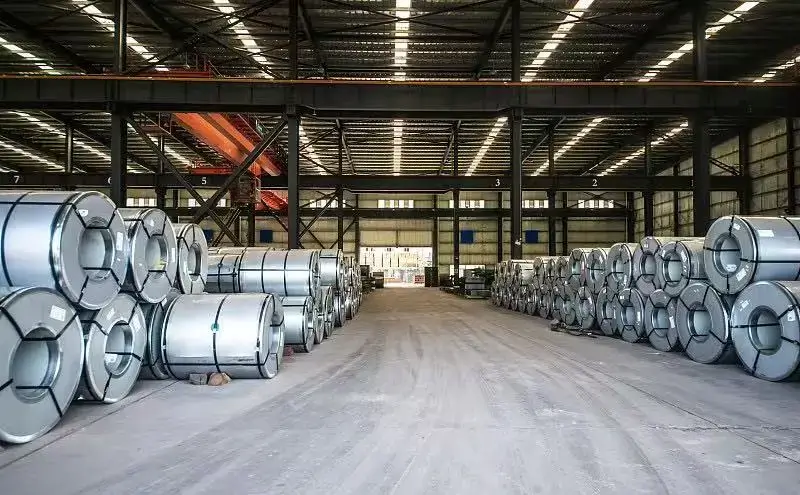
A practical discussion around Cold Rolled Galvanized Steel Coil should stay close to the order sheet and the receiving yard. Industrial buyers are usually comparing real issues such as section size, wall thickness or coil thickness, coating consistency, bundle or coil packing, and whether the supplier can support repeat delivery without changing the confirmed specification.
On this site, the available product line is not generic steel trading copy. It is built around galvanized steel pipe, galvanized steel coil and custom processing support. The published product pages already show round, square, rectangular and oval pipe options, cold rolled galvanized coil supply, custom size processing, packing control and factory-based coordination for overseas orders.
That matters because buyers working in roofing, ducting, roll forming, light structure need usable supply rather than broad catalog language. A stable order usually starts with clear dimension control and then moves through packing, labeling, loading and delivery planning. The checks below are based on those practical buying steps, with emphasis on thickness, width, zinc coating, surface condition.
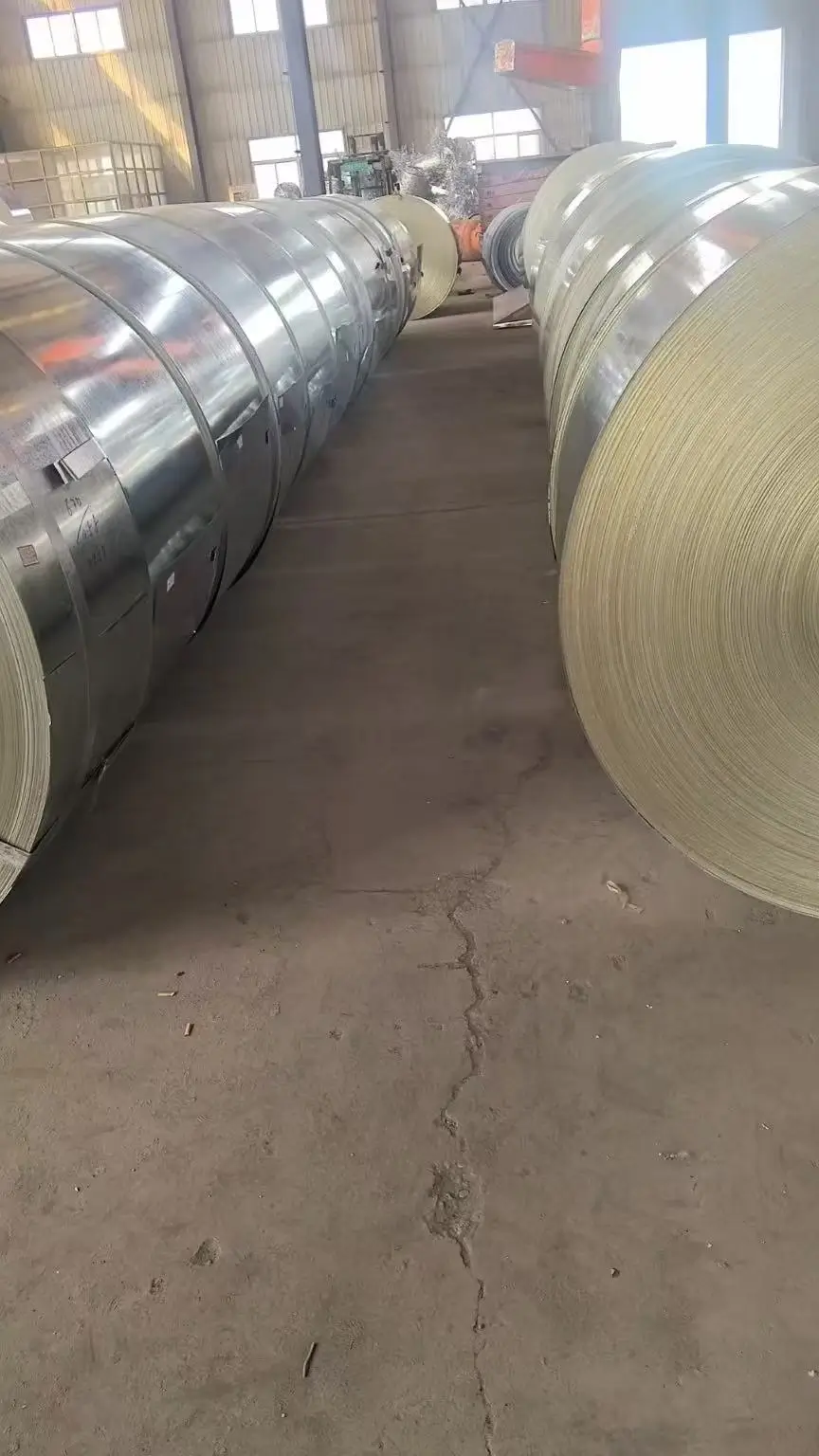
For galvanized steel coil orders, the first filter is whether the material will be stored as stock, slit for further use, or sent directly into forming or roofing work. That changes the conversation around thickness, width, surface quality and coil handling. A supplier that understands end use can reduce unnecessary conversion steps and keep the order aligned with the buyer’s line, warehouse or project timing.
Buyers also benefit when the supplier can explain what is standard stock, what needs production time, and what part of the order should be treated as a custom item. That separation keeps the quotation realistic and avoids the common problem where the headline price looks fine but the shipment plan does not actually match the buyer’s required sequence or receiving conditions.
Specification control for coil orders means checking more than nominal thickness. Buyers normally need to confirm width range, coil weight, coating expectation, surface appearance and the downstream process the coil will enter. A coil that is acceptable for one fabrication route may create waste or handling issues in another.
Packing for coil is part of product protection, not an afterthought. Coil eye direction, edge protection, moisture barriers, marks and loading arrangement all influence the condition in which the material arrives. Buyers who plan export or long transit should ask how the supplier protects coil edges and whether the package is arranged for the unloading equipment at destination.
Repeat supply depends on whether the supplier can treat the order as a stable program instead of a one-off lot. Buyers often need stock confirmation for frequent sizes, honest lead times for non-stock items, and consistent communication when production slots are reserved. That is why procurement teams usually compare specification clarity, packing control and supply rhythm together instead of viewing them as separate decisions.
A reliable purchase decision usually compares three layers at the same time. The first layer is specification fit: size, coating, surface and processing route. The second is delivery usability: bundle logic, coil protection, labels and whether the goods will be easy to receive and store. The third is supply behavior: what can move from stock, what requires production time, and how clearly the supplier communicates around that schedule.
That is why experienced buyers often prefer a supplier who can discuss application fit, processing support and export-ready packing in the same conversation. The product page, custom page and broader products page on this site support that style of review.
In practical procurement, the strongest result usually comes from confirming the usable details in writing before production or shipment begins. For galvanized steel coil that means the buyer and supplier should agree not only on dimension and quantity, but also on the handling method, bundle or coil logic, loading expectations and the order in which the material will be consumed after arrival.
In practical procurement, the strongest result usually comes from confirming the usable details in writing before production or shipment begins. For galvanized steel coil that means the buyer and supplier should agree not only on dimension and quantity, but also on the handling method, bundle or coil logic, loading expectations and the order in which the material will be consumed after arrival.

We will answer any questions you may have about our online sales.
We are ready to answer right now! for a free consultation.
Email:Trista55555@outlook.com
I consent to the processing of personal data and agree with the user agreement and privacy policy
